Our Expertise
The Schmidt Lab conducts computational research on all facets of healthcare, with a strong emphasis on cardiovascular/cardiometabolic diseases.
The group has long-running expertise in:
- Leveraging common and rare human genetics for causal analysis, particularly focusing on genetically informed drug development,
- Omics and imaging risk factor identification for disease onset and progression,
- Utilising electronic healthcare records for evaluation and development of risk prediction models,
- Integrating imaging/physiological data with omics and/or electronic healthcare records
For this we utilise methods from computational genetics, (clinical) epidemiology, machine learning and deep learning, and general bioinformatics.
The three highlights below show how this expertise translates into applied, collaborative research.
Genetically guided drug development
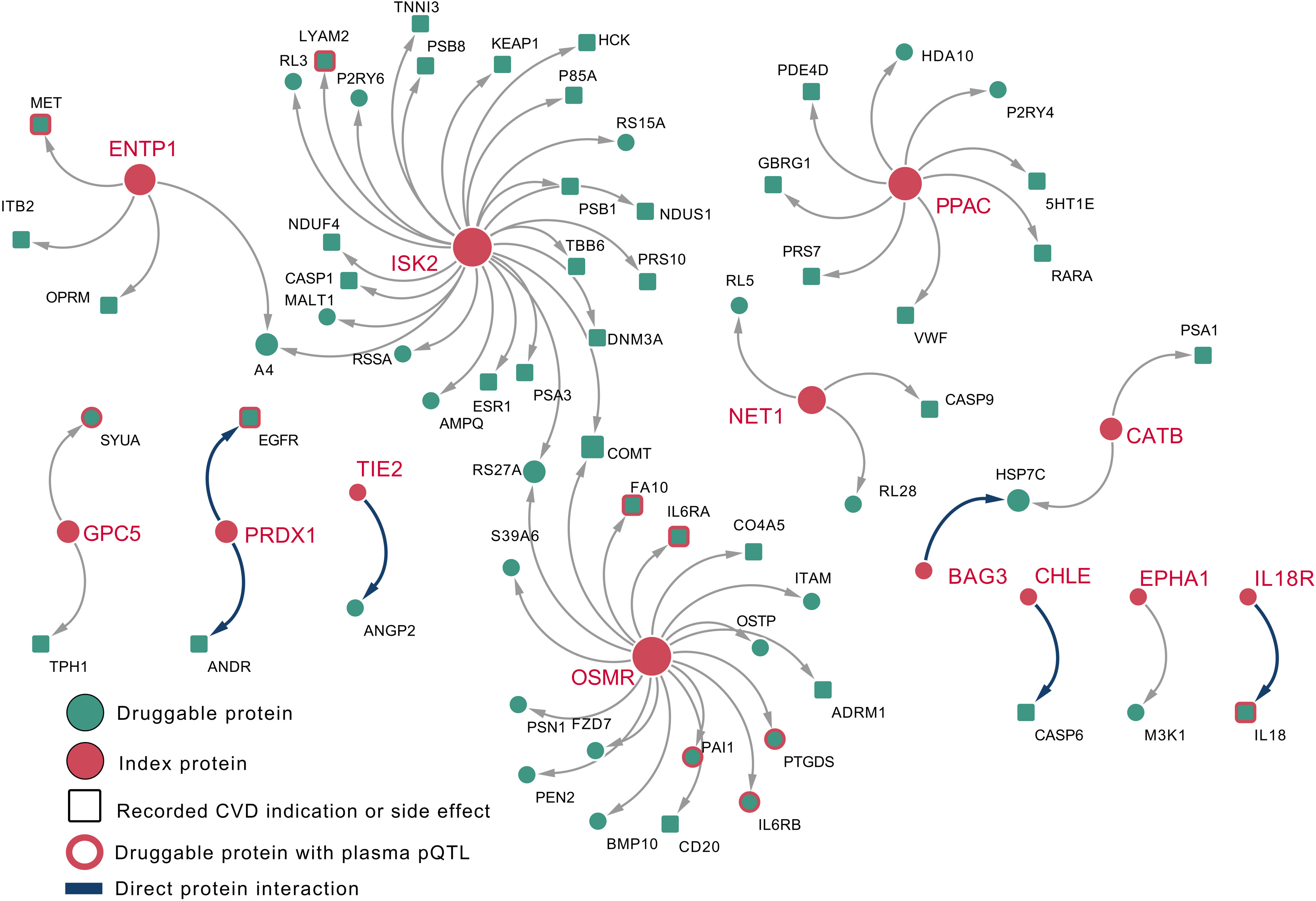
Together with Professor Hingorani and Dr Finan, we have pioneered using human genetics to inform drug development. Our work has provided the underpinnings for scaled cis Mendelian randomisation (a genetic method that mimics the effect of modulating a specific drug target), which we have used, in combination with other computational genetics tools, to conduct applied research on drug target identification.
Key contributions:
- Drug target Mendelian randomisation
- Assessing the viability of CETP as a cardiovascular drug target
- Multi-omics prioritisation of coronary heart disease drug targets
- Identifying druggable concordant plasma protein and metabolomics pathways for heart failure and atrial fibrillation
- Develop and externally validate a proteomics based classification model for heart failure patients
Risk factor identification and prediction modelling
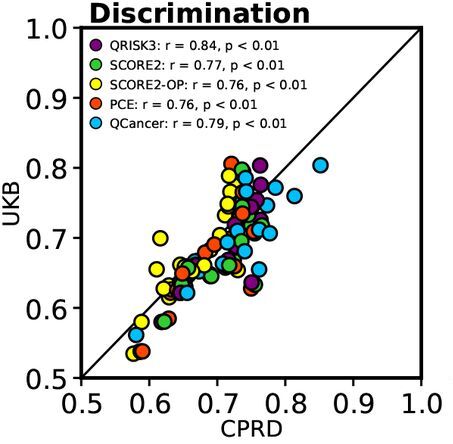
In collaboration with Professor Chaturvedi and Professor Asselbergs, we have highlighted the challenges of developing accurate cardiovascular prediction models in people with established diseases such as type 2 diabetes. To address this, we have employed scalable machine learning methods to identify novel non-traditional risk factors, as well as explore model repurposing (i.e. transfer learning), and de novo model development.
Key contributions:
- Systematic evaluation of CV prediction models in people with diabetes
- Identifying non-traditional risk factors for cardiovascular disease, atrial fibrillation and heart failure
- Employing multivariable machine learning to prioritise familiar hypercholesterolemia carriers for cascade screening
- Repurposing cardiovascular prediction models to identify people at risk of future cancers
Multi-modal imaging
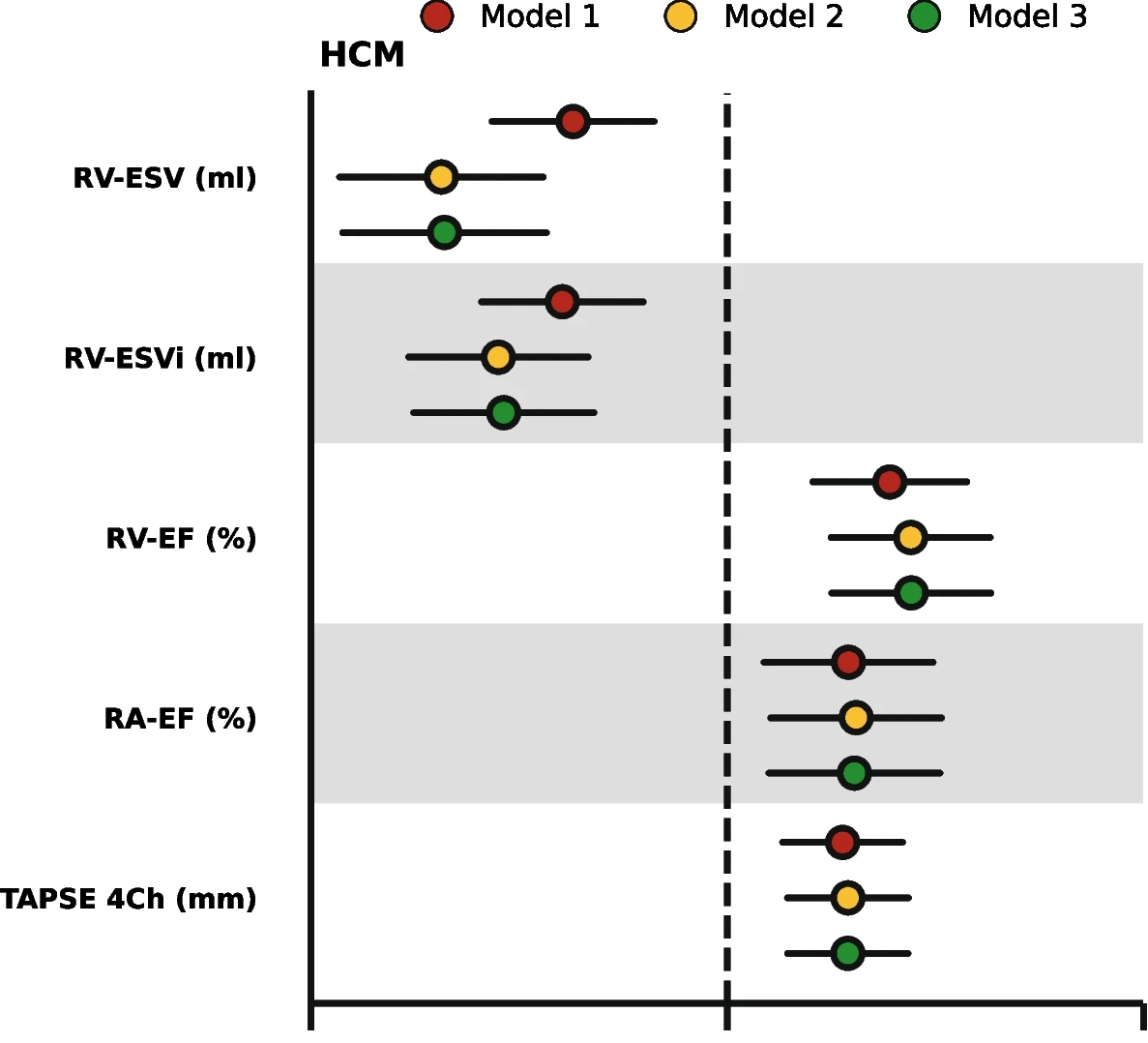
Through strong collaboration with Dr Sudre and Dr Paliwal, we have integrated evidence from cardiac MRI and physiological data with information from complementary sources such as brain MRI, tissue-specific proteomics, and rare pathogenic genetic carriership, uncovering novel pathways and risk factors that cut across traditional disease boundaries.
Key contributions:
Clinical epidemiology
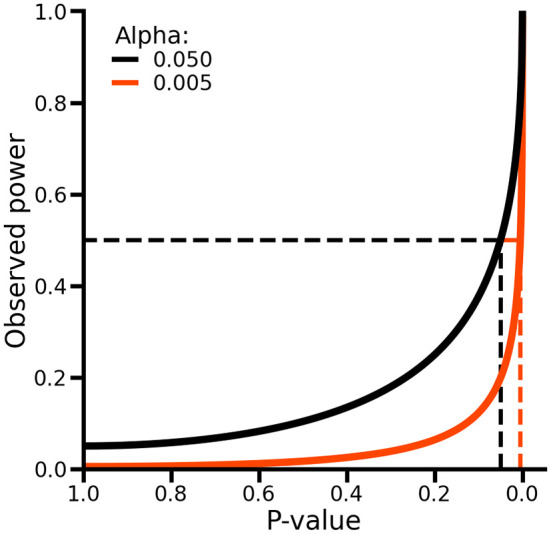
Alongside our applied genetics, prediction, and imaging work, we maintain a long-running methodological focus on clinical epidemiology. This also includes development of Cochrane systematic reviews.
Key contributions:
- Adjusting for Confounding in Early Postlaunch Settings: Going Beyond Logistic Regression Models
- Linear regression and the normality assumption
- Addressing common inferential mistakes when failing to reject the null-hypothesis
- PCSK9 monoclonal antibodies for the primary and secondary prevention of cardiovascular disease